Mount Kinabalu, Borneo, Malaysia
Kinabalu; Southeast Asia's highest mountain
S
Steve Evans2017
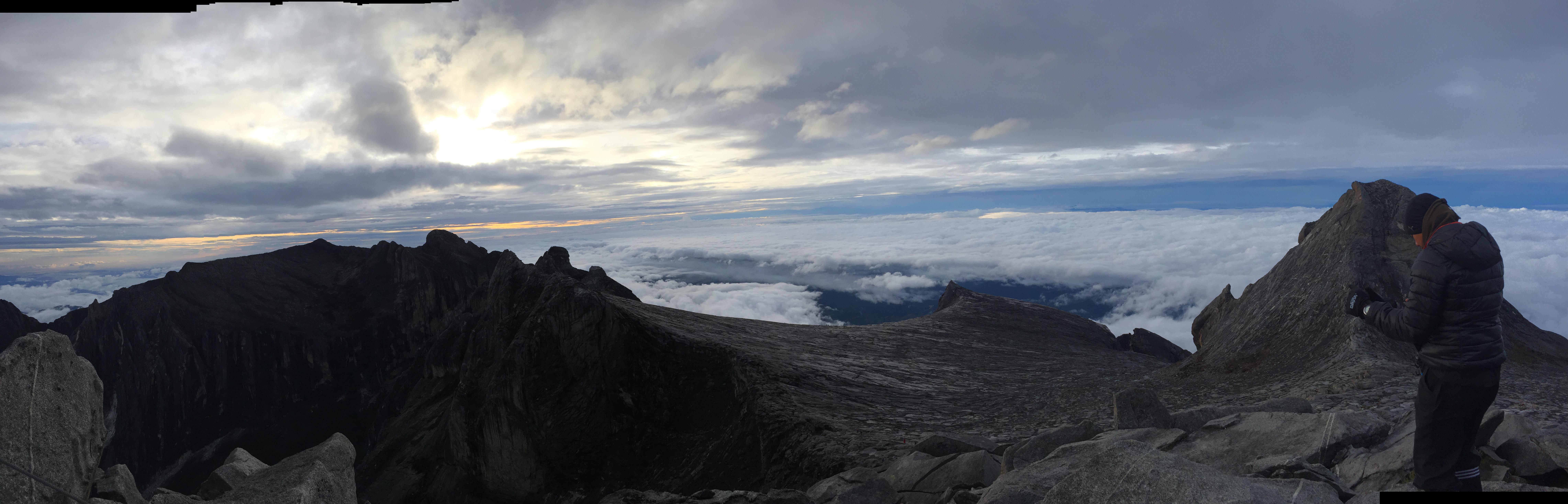
Steps, more steps, and porters gliding past in flip-flops. A 2am start, headlamps in the pitch dark, and the summit — a bleak, end-of-the-world stretch of dark rock — arriving just as the sun did.
Up Kinabalu
Mount Kinabalu in Borneo — the highest peak in Malaysia, and the highest between the Himalayas and New Guinea. 4,095 metres. No technical climbing required, just a long way up and a longer way down. It's in Kinabalu Park, a UNESCO World Heritage Site, and the mountain is sacred to the local Kadazan-Dusun people, who believe it's where the spirits of their ancestors rest.
This was part of a trip encompassing Bali, Java, Singapore, Borneo and Paulo Tioman. It has been on my target list in 1982 but I never made it then.
I’d convinced my wife Linda to attempt it too. Reluctantly she had agreed. The last time we’d climbed a peak it was Mount Pico in the Azores. A dormant but still warm volcano with snow and ice on top. Isolated by fog and cloud at the top it was where I’d proposed. She’d had to say yes to be able to get back down.
Day one: up
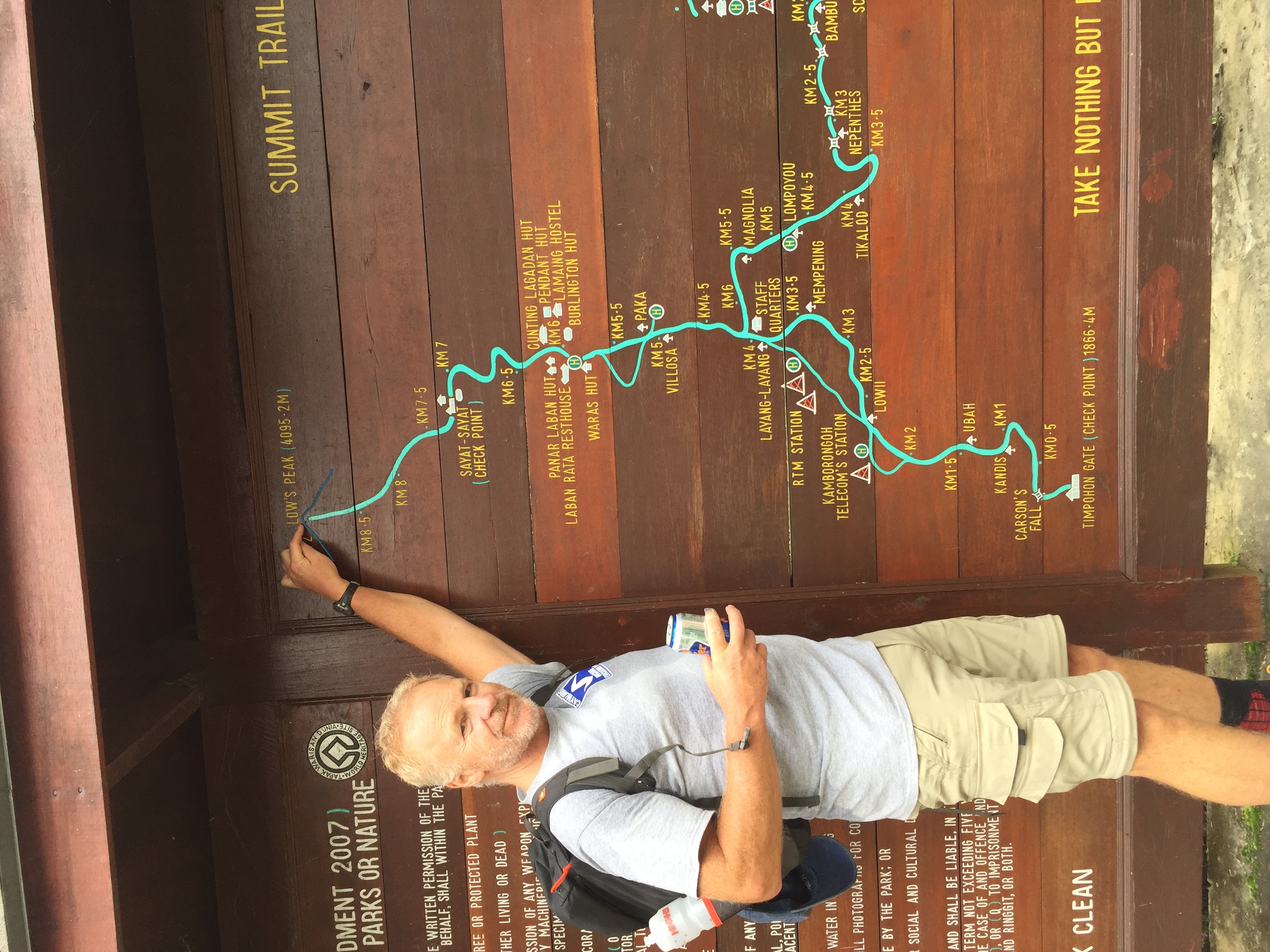
The trail doesn't ease you in. It's steps, more steps, from the start and the odd short level stretch to remind you what flat ground feels like. Seven hours of it, climbing to the dormitory lodge, Laban Rata at around 3,270 metres, where we'd sleep — or try to — before the summit push.
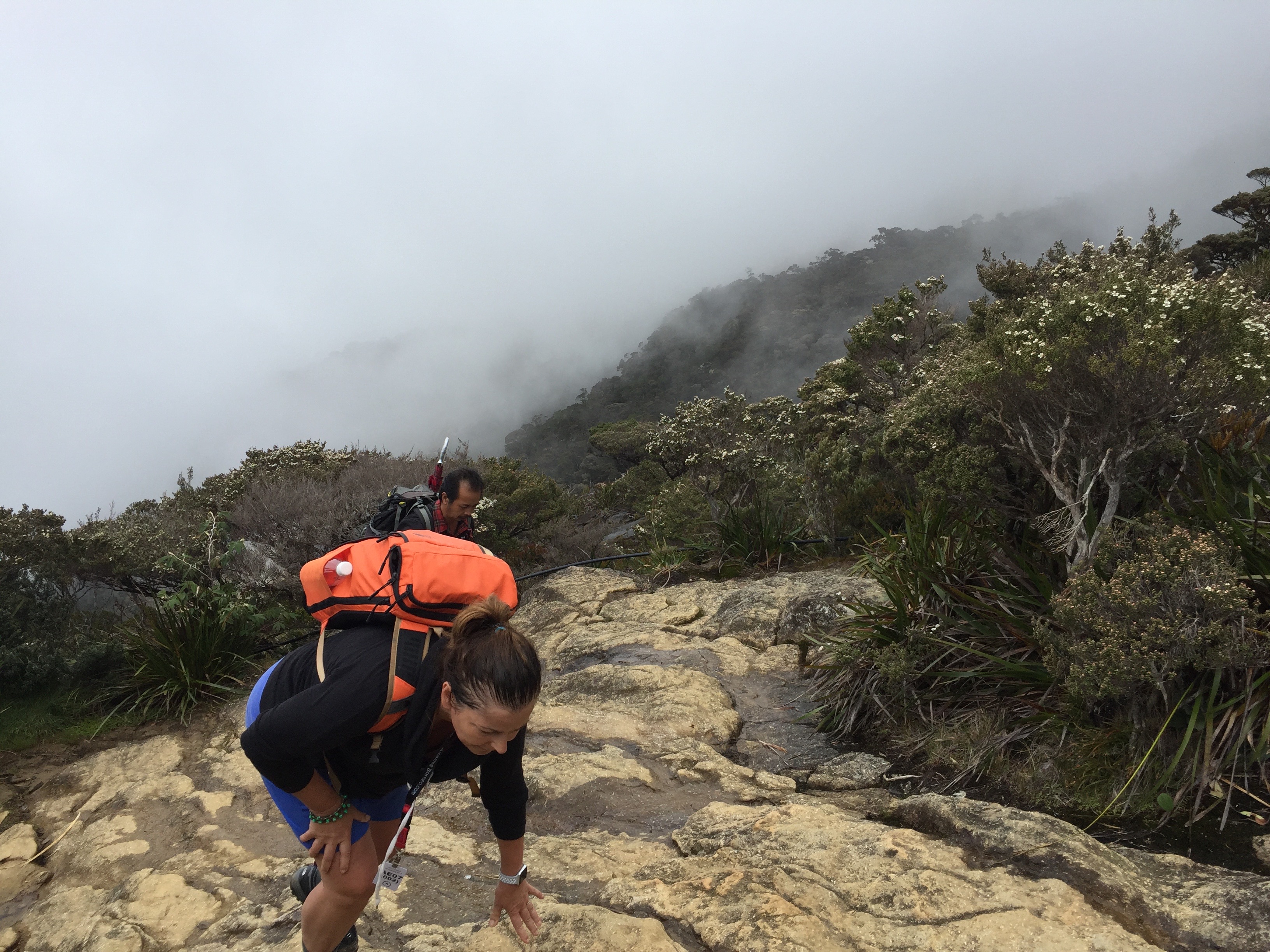
Porters passed us the whole way, going both directions, carrying supplies for the lodge balanced on their necks and shoulders. Sacks of rice, gas canisters, crates of drinks. In flip-flops. We were in proper boots, using poles, taking an age over the terrain they walked in sandals.
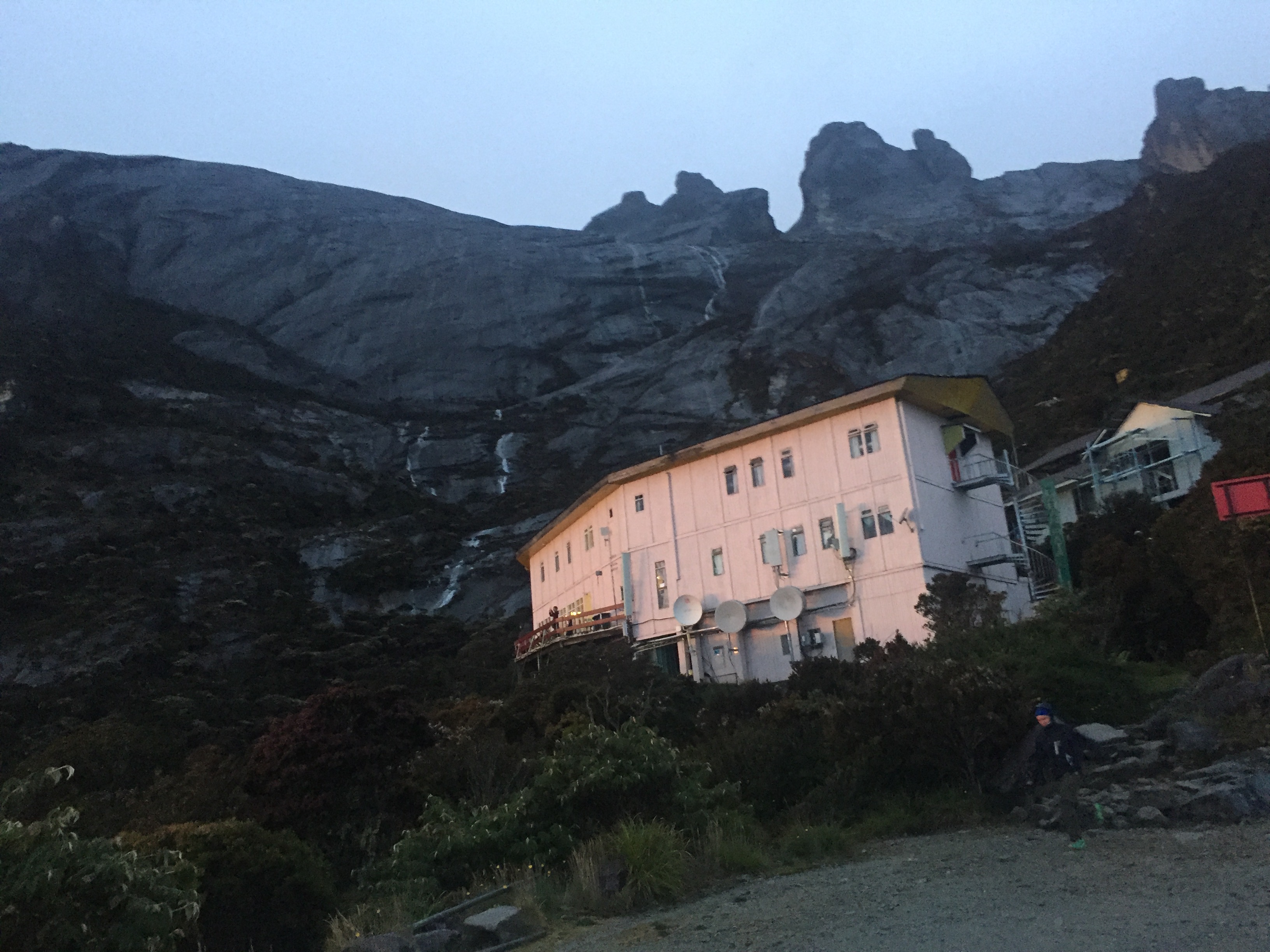
Dinner was communal at the lodge — everyone who'd made it up that day, eating together before an early night that wasn't much of one. The altitude saw to that. Linda wasn't well by this point, altitude sickness setting in, and neither of us slept much in our bunks. You lie there listening to your own heartbeat and waiting for 2am to come.
Day two: the summit
2am, pitch dark, headlamps on, and up we went.
Linda got as far as the first set of rock steps and had to turn back — the altitude was too much and the sensible thing is not to argue with it.
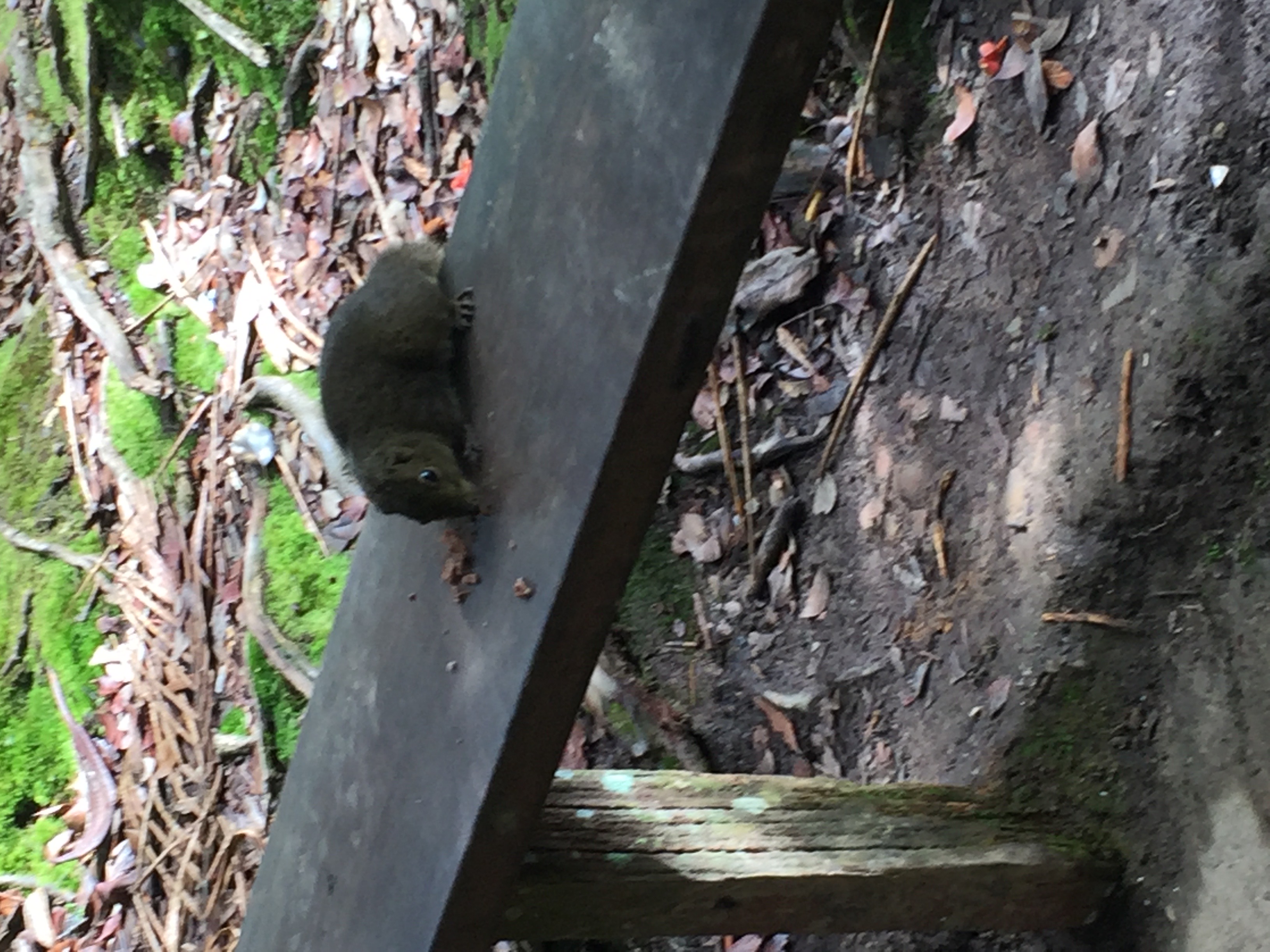
The rest of the climb was done blind, one pool of headlamp light at a time. At the occasional stop, Bornean mountain ground squirrels would appear, scrounging for scraps — the local wildlife entirely unbothered by people trudging past them in the dark with head torches on.
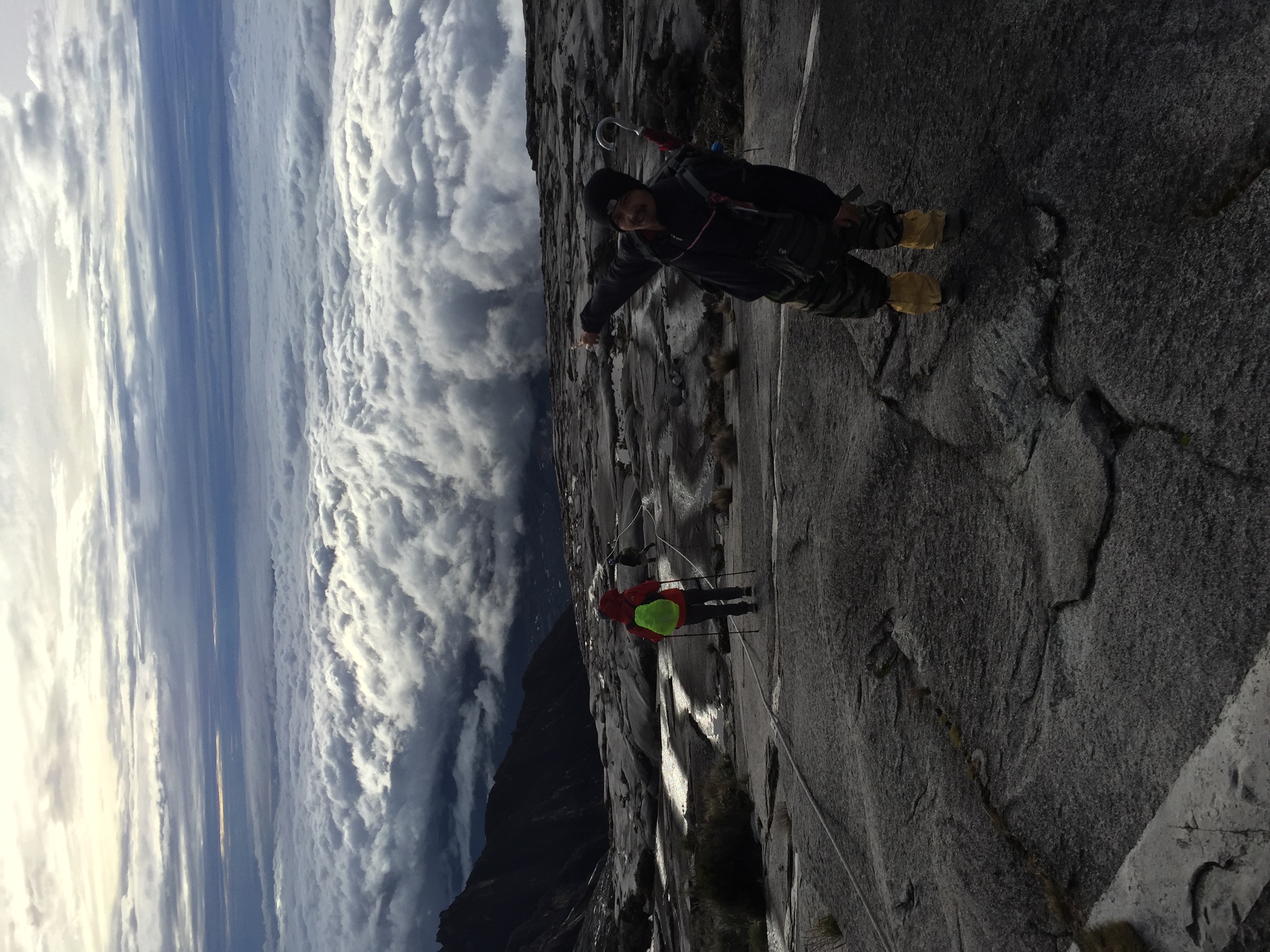
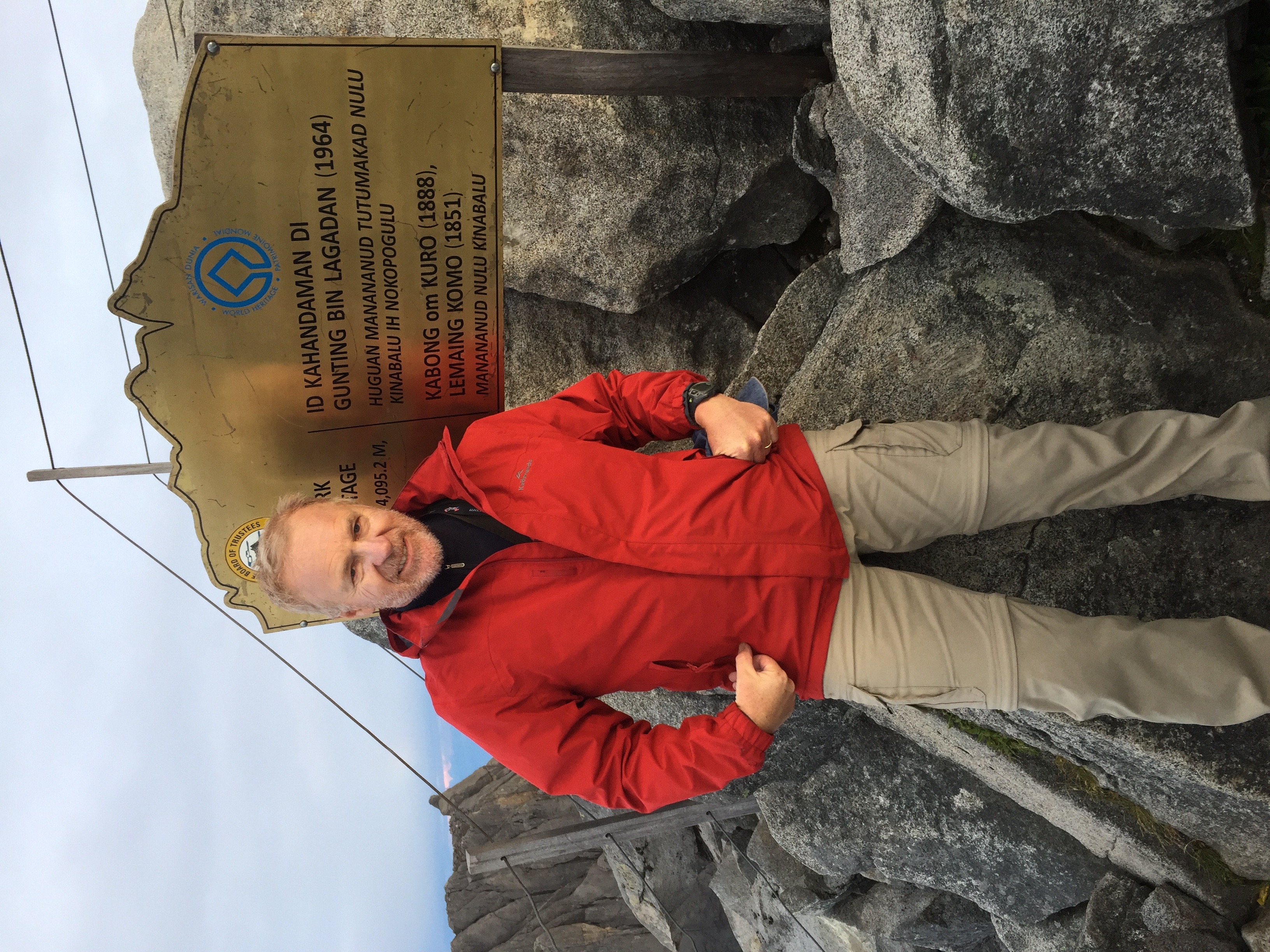
We reached the top as the sun came up. More of a plateau than a peak. Dark rock, a forbidding desolate place above the clouds.
Down again
Looking back down in daylight, we could finally see what we'd climbed in the dark — a vast, steep slope with no visible end, done on ropes. Glad it was dark on the way up. Once you can see it, you understand why.
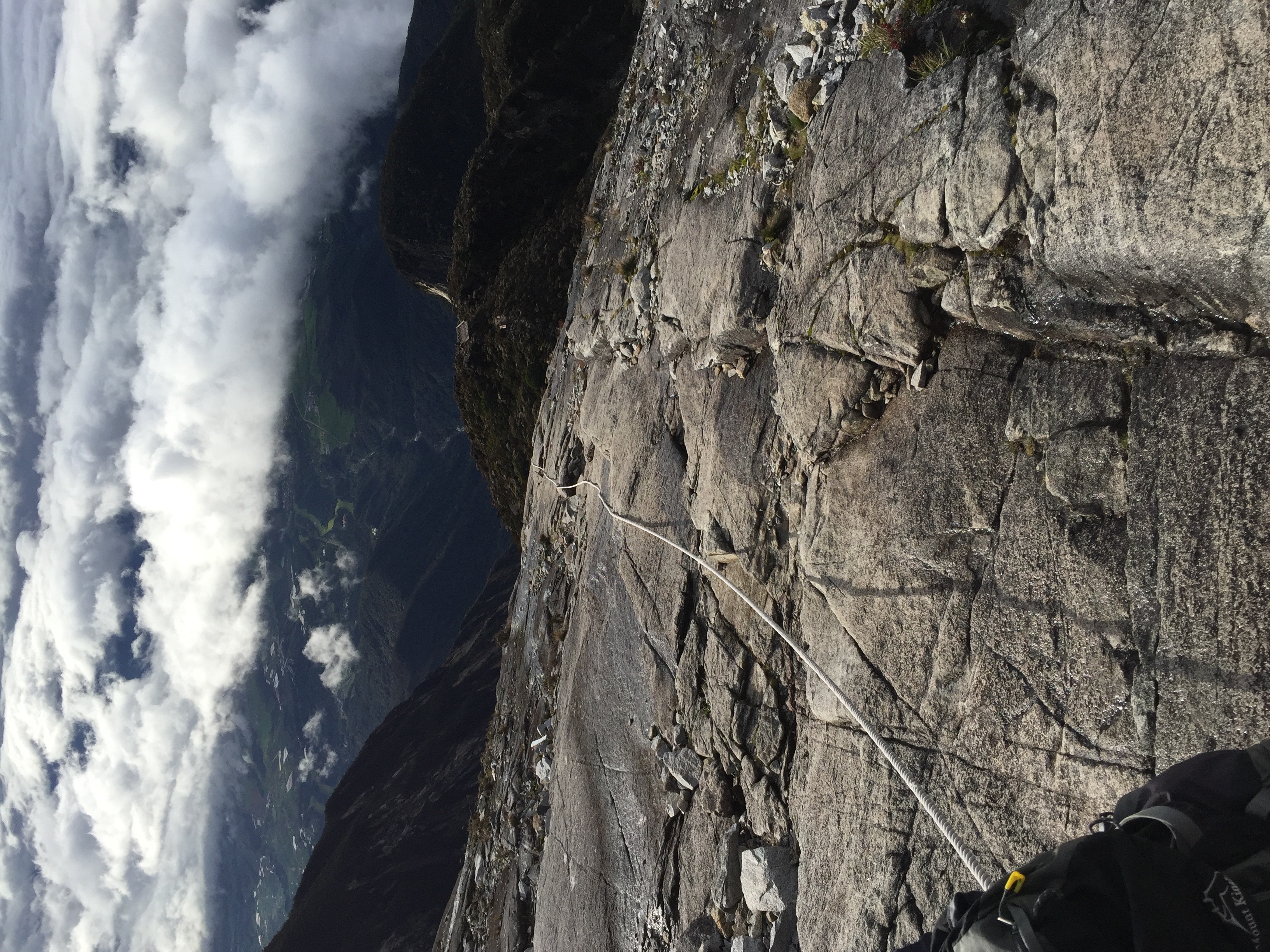
Back to the lodge for a well-earned breakfast, then the rest of the day spent going down — which turns out to be harder on the knees than the climb up ever was on the lungs.
It was a harder climb than I expected with little variation on the route. No preamble through forest or jungle, no experience of changing habitat as you gain height. A relentless upward march. But worth every step for the dramatic top of the end of the world aggressive mountain scenery revealed by the rising sun.
Related stories:
Costa Rica's highest point
Kilimanjaro
Comments
Enable JavaScript to read and post comments.